Little Beaks
LearnFind helpAdvocacyLife at Little BeaksAbout
FAQContactSupport

Many companion birds are social. Relationships are still individual.

Companionship matters, but there is no single formula for who a bird should live with, like, avoid or bond with. This section looks at social welfare without reducing it to “get another bird”.
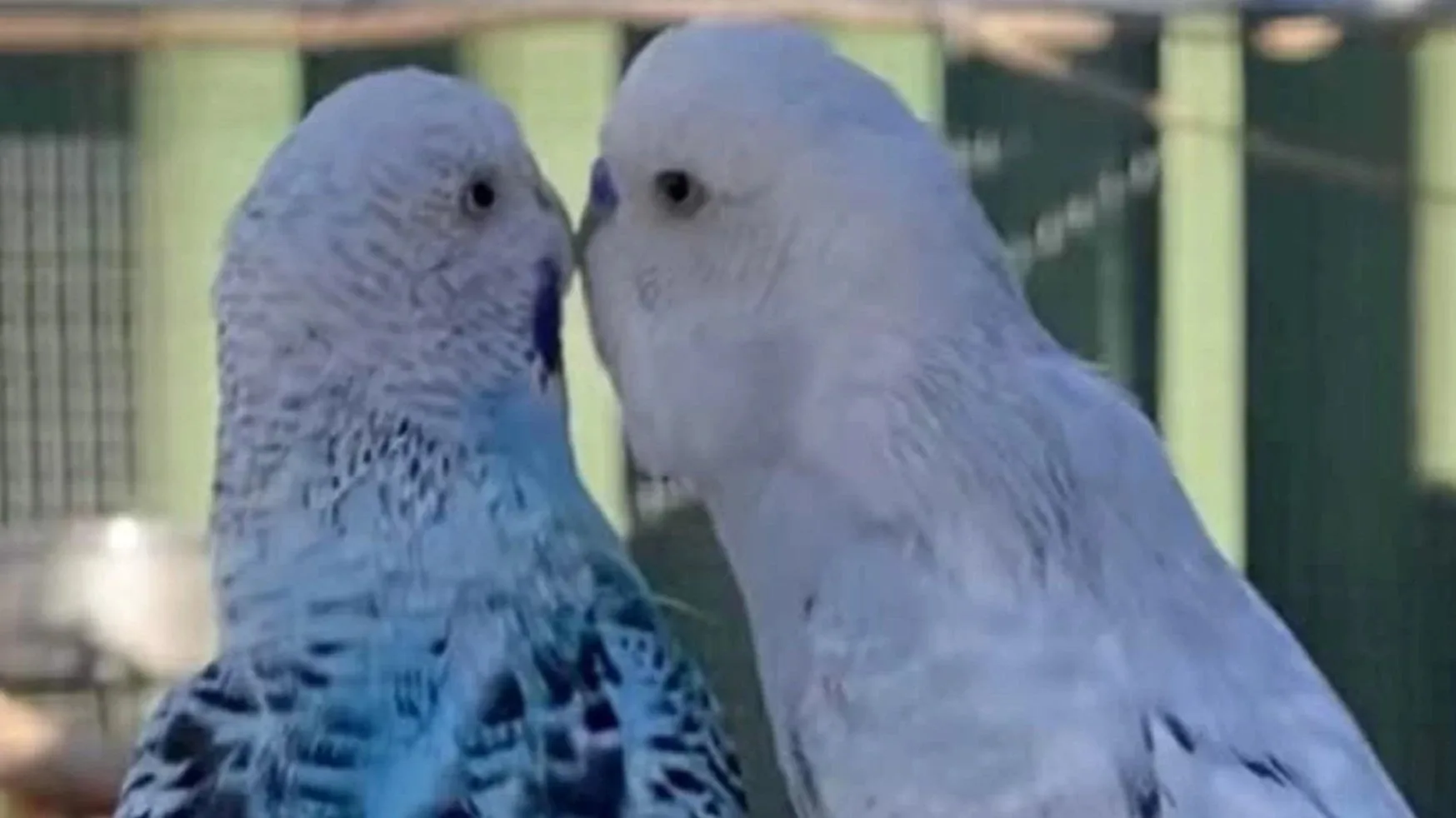
Two pale blue-and-white budgies face one another with their beaks touching
Two budgies at Little Beaks. A single photograph cannot establish compatibility; relationships need to be observed over time.

The starting point

Social need is not social obligation.

A bird can benefit from bird companionship while still needing choice, distance, compatible individuals and safe ways to disengage. Little Beaks treats the relationship—not simply the number of birds present—as part of the welfare question.

Explore social welfare

Start with understanding companionship or making introductions safely.

Read now Why won't some birds get along?Compatibility, individual relationships, territory, choice and gradual introductions.→ Read now When humans become the whole social worldEarly separation, life without other birds and supporting companionship at the individual’s pace.→
Observe first. Social behaviour depends on species, individual history, environment and the birds involved. One flock's behaviour is not a universal rule.
Little Beaks

Education, welfare and advocacy for companion birds, alongside lifelong care for the birds already here.

Learn

Species welfareSocial welfareBird-keeping historyWelfare lawBird news

Find help

Start hereFound a birdLost a birdRehoming

Little Beaks

AdvocacyLife at Little BeaksAboutReports and transparencyContactPrivacy informationSearchFAQAccessibilityEnvironment and AI useSupport

Back to top

Little Beaks acknowledges Traditional Owners of Country throughout Australia and recognises the continuing connection to lands, waters and communities. We pay our respect to Aboriginal and Torres Strait Islander cultures; and to Elders past and present.